
4 Ingredients Your Deodorant Should Not Have
When pursuing a less toxic lifestyle, it’s not only important to be aware of what you are putting in your body (and your child’s) but also what you’re puttingonyour body. I mean, you wouldn’t swallow a spoonful of toxic cosmetic ingredients, right?
In some ways, smearing them under your arms in the form of deodorant or antiperspirant may be worse. When we consume something that is toxic, our liver and digestive tract have a chance of eliminating it (*chance* because most of these chemicals we were simply not meant to consume or process). But, when we put something toxic on our skin, it can enter the bloodstream directly without being metabolized.
Not all chemicals have the ability to make their way into our bloodstream by way of our skin, but blood tests show that many of the substances commonly included in deodorant products can, in fact, sneak past the skin and enter the body. It has also been shown that compounds used in deodorant are absorbed and stored in fat cells, which are heavily prevalent in the underarm area. Dr. Philip Harvey, Ph.D., editor in chief of theJournal of Applied Toxicology, points out that our underarm tissue also contains hormone receptors, which can react to those same deodorant ingredients – disrupting reproductive and developmental systems.
About 90 percent of Americans use deodorant daily. But, most of us aren’t aware of the potential consequences of using it.
It’s important here to distinguish antiperspirants, which are intended to stop perspiration, and deodorants, which are intended to neutralize odors. Some brands combine the two.
It is commonly thought that antiperspirants are more harmful, due to their aluminum content. Aluminum is the ingredient that completely stops perspiration. Research shows that aluminum causes gene instability of breast tissue. This instability promotes the growth of tumors or cancer cells. It’s no coincidence that 50% of breast cancers start in the upper outer quadrant of the breast (i.e. underarm region). In fact, it has been found that the more frequent use of antiperspirants and deodorants are linked to an earlier age of breast cancer diagnosis. It’s particularly important to note that applying aluminum-containing products to freshly shaved underarms (broken skin) increases that risk significantly.
Aluminum-based compounds can take a few different forms: aluminum chloride, aluminum chlorohydrate, aluminum zirconium trichlorohydrex glycine, & aluminum hydroxybromide. Outside of increased risk of breast cancer, aluminum toxicity has been linked to Alzheimer’s Disease, kidney dysfunction, seizures, DNA mutations, and bone formation disorders.
Somewhat of a side-bar, but important. The FDA (Food and Drug Administration) only requires that an antiperspirant brand reduces sweat by 20%in order to claim that their product provides all-day protection. Companies that claim their product is ‘extra strength’ are required to only cause a 30% reduction in perspiration.
So, you’re getting a questionable amount of aluminum for a questionable product.
Antiperspirants aren’t the only culprit, however. Deodorants also contain harmful ingredients, such as: parabens, triclosan, phthalates, & propylene glycol. Let’s break them down.
Parabens
Parabens are used as preservatives in deodorant and other personal care products. Research shows that some parabens (as there are many different types) can interfere with the production and regulation of hormones, mainly estrogen. Parabens have the ability to mimic estrogen levels in the body and disturb the hormonal balance. Since both male and female breast tissue is estrogen-sensitive, applying parabens close to that tissue daily can promote the growth of cancerous cells. Not only can they increase your risk of hormonal cancers, but they can cause an early onset of puberty and birth defects.
parabens can be labeled on deodorant products as methylparaben, propylparaben, butylparaben, ethylparaben, benzyl paraben, or propylparaben
Triclosan
This chemical is added to many cosmetic products (deodorants, antiperspirants, anti-acne products, & hand sanitizers) in order to prevent bacterial contamination and to kill bacteria on the skin’s surface. Triclosan is so common that 75% of Americans have traceable levels in their urine.
Research suggests that Triclosan impairs thyroid function and disrupts your microbiome and gene function. A chemical that is added with the intention of killing bad bacteria under your arms, also harms the ‘good’ bacteria. I mean the fact that the FDA classifies Triclosan as a pesticide and a possible carcinogen (a substance capable of causing cancer in living tissue) should make you wonder why we’re applying it under our arms to such a sensitive area.
Phthalates
These compounds are added to deodorants and other cosmetics (soap, shampoo, lotion, & hairspray) to help the product stick to your skin. Studies show that phthalates disrupt androgen function – meaning, the way your body uses and produces testosterone. Testosterone is not just important for men. For both men and women, the hormone plays a role in energy and muscle maintenance. The greatest concern here is phthalates having the ability to impair reproductive ability in men as well as impacting fetal development in pregnant women. Research has also linked phthalates to lower IQ and higher rates of asthma.
Super important to note here is that phthalates are hidden on labels as“fragrance”. This is a ridiculous loophole- fragrance is categorized as a trade secret, meaning, companies aren’t obligated to reveal this information to us.
Think about that.
It’s a pretty scary thing that it’s impossible to know just what chemicals are concealed by those terms “fragrance” or “perfume” listed under ingredients.
Lastly…
Propylene Glycol
This is another frequently used ingredient that’s used to increase absorption. However, it’s a known skin irritant and neurotoxin, which may cause liver and kidney damage. Or damage to your central nervous system. While many people have turned to natural deodorants in an attempt to avoid such harmful ingredients, it’s important to readalllabels – as propylene glycol is still often found in natural deodorants.
This isn’t meant to scare you. This is meant to spread some truth & provide some ‘better options’ – I find myself saying that a lot.
SO, WHAT CAN WE DO?
Well the first option is, obviously, toditch all underarm deodorant or antiperspirant. It’s reallllyyyyy the only want to 100% ensure you’re not exposing yourself to potentially toxic chemicals. But for those of you who can’t stand your own au-naturel stank, or have significant others whose stench suffocates you then make sure you’re shopping for paraben- and fragrance-free natural deodorants that do not contain triclosan.
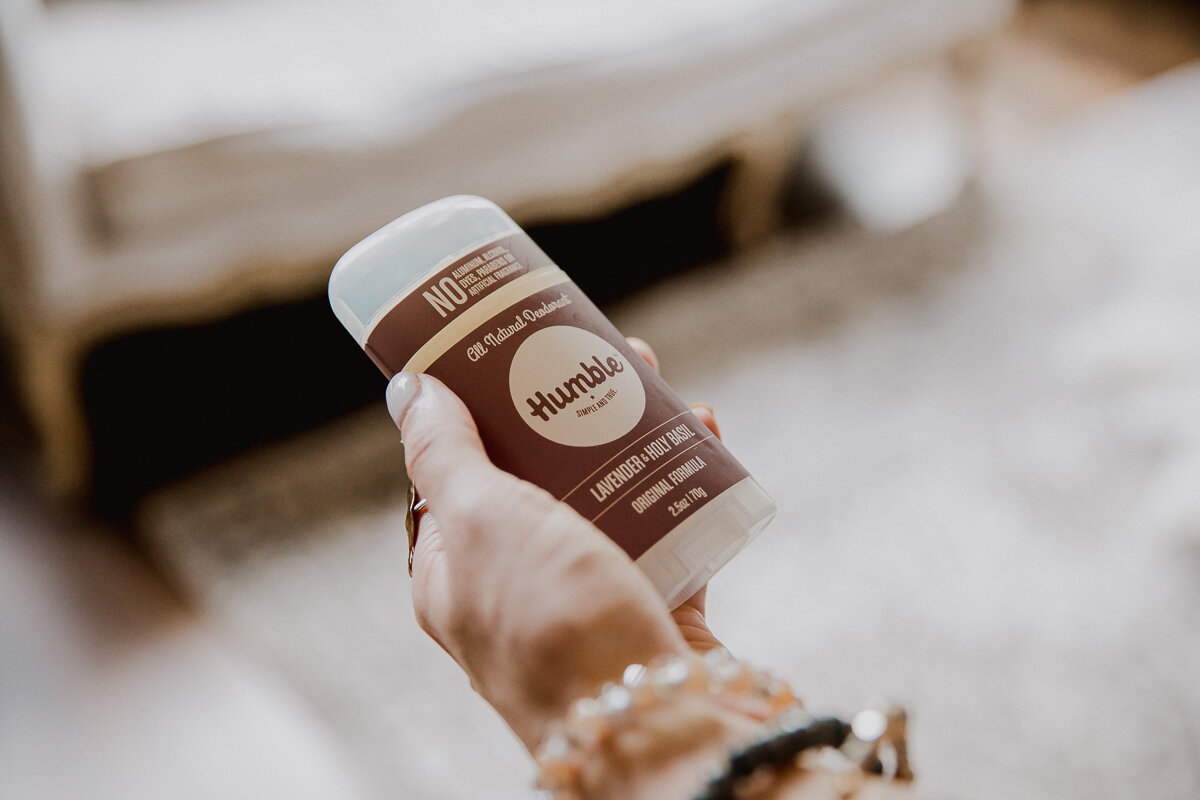
My absolute favorite brand is Humble.
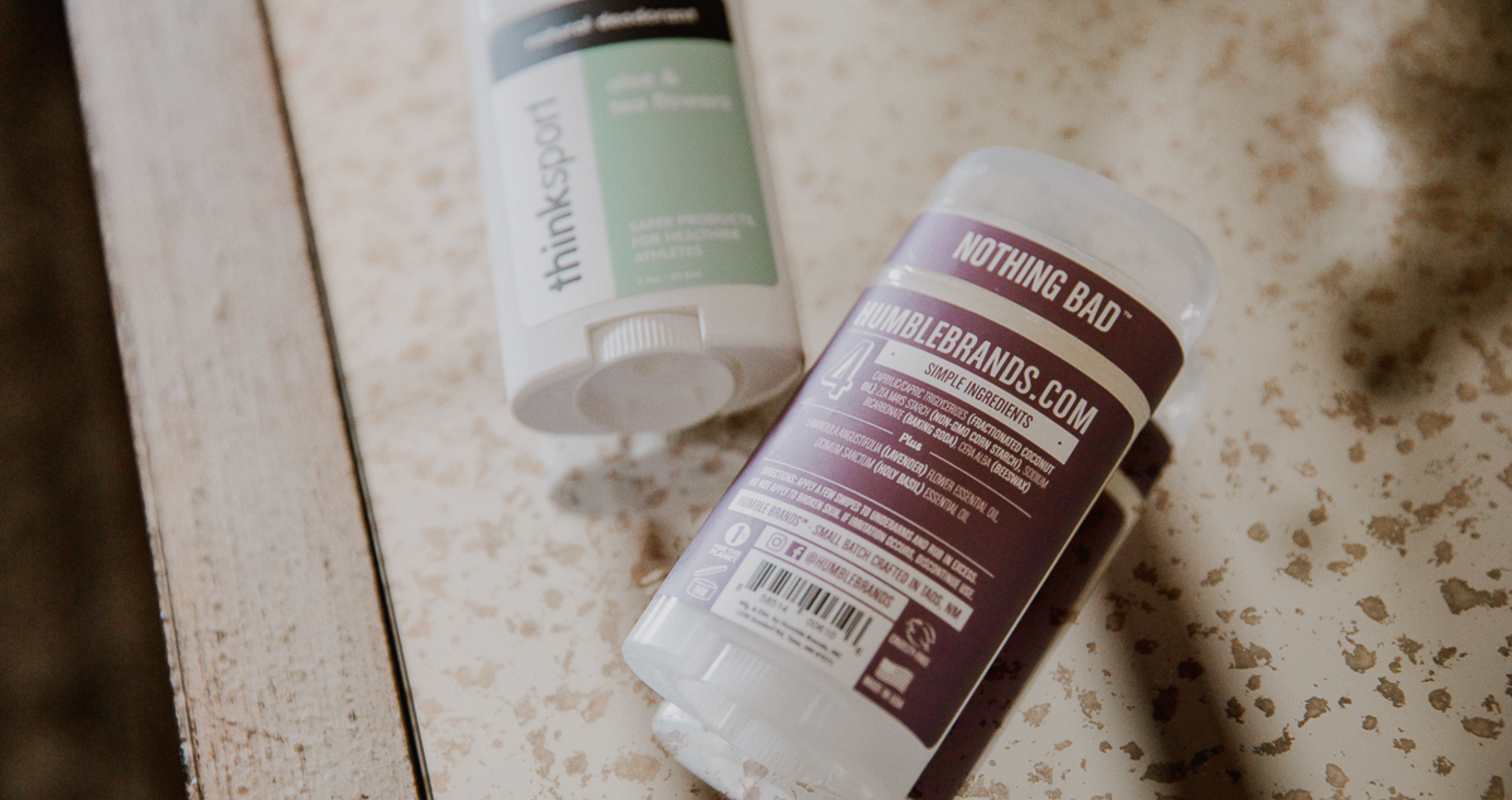
Humble’s original formula contains 4 clean, sustainable, high-quality ingredients, including: fractionated coconut oil, non-GMO corn starch, beeswax, & baking soda. No aluminum. No alcohol. No Dyes. No parabens. No artificial fragrance. For the scented options, pure essential oils are added. I use the Mountain Lavender scent- the only other ingredient is Lavender Flower essential oil.
Now, go secretly toss your kids/partner/mom/dad/neighbor’s deodorant out and replace it. They’ll thank you later!
The Discovery Doc – Dr. CeCe Brooks – Atlanta Holistic NP Copyright 2022 The Discovery Doc, LLC®. All Rights Reserved.